
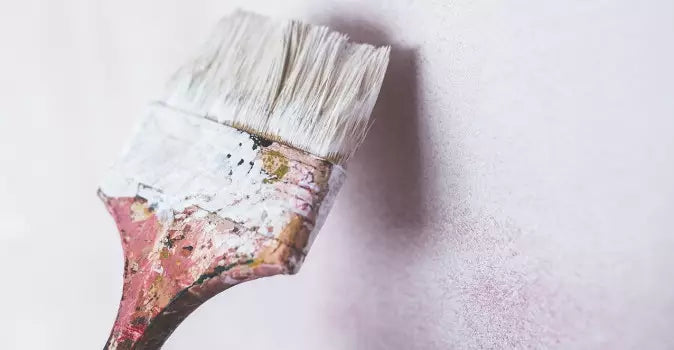
When you decide to paint the walls of your home, there are several options to consider. You can opt for a sponged effect, which will give the walls a more modern and original look. In this article we will show you how to create this effect and some other tricks to make your home even more beautiful!
Let's start with the painting!
To obtain the sponged effect on a wall, you will need:
- Sponges;
- Brushes of different sizes and shapes;
- Basecoat in a color of your choice;by sponging into a lighter or darker shade of the base paint.
-
Paint Once all the materials have been prepared, you can start working by following these steps:
- Begin painting the wall with a base paint that has been thinned with water to a uniform consistency. Let dry for about 2 hours before continuing;
- Dip the appropriate sponge into the sponging paint and dab it on a piece of cloth so that there is not too much excess liquid. Then start pressing it on a section of the wall;
- Sponging must be done in one direction and with uniform pressure, without moving too far from the starting point;
- To obtain a more uniform effect, brushes can be used to blend the edges of the sponged area;
- To add some more detail, it is advisable to use sponges of different sizes and shapes to create interesting patterns on the wall; this is especially nice when used around windows or doors;
- Leave to dry for another 2 hours before applying any finishing touches, such as paint or gilding.
- Finally, take a step back and admire the beautiful work you managed to do!
With these tips, you will have no problem creating a surprising wall sponging effect! Wall sponging is a great way to add character and style to any room. With a few simple steps, you can give a touch of class to your home in no time!
What are the most suitable colors for sponging?
When deciding which colors to use for sponging, it's important to consider the color scheme of the room. Sponge works best with lighter shades, such as pastels, whites and creams; these colors create an airy atmosphere, perfect for any room in the house. Darker shades can be used to add drama; they tend to make a space appear smaller and cozier. Sponges are perfect in bedrooms, bathrooms, kitchens or living rooms!
Sponging can also be done on the ceiling. To achieve the desired effect, you should use a lighter shade of paint than that used for the walls; this will help create a more subtle look and make the room appear larger. Sponging on the ceiling is not as common as sponging on walls, but it can offer an interesting visual contrast, especially when used in combination with other painting techniques, such as color washing or raging, which we will look at in the following paragraph.
Other wall painting effects: modern and trendy techniques
Sponging isn't the only way to paint a wall. Other effects you can try are:
- Splashes: this technique consists of rubbing the paint on the wall with a brush to obtain an interesting patchy effect;
- Ragging: Ragging is a method of applying color to walls by dragging a cloth through wet paint; if done correctly, it gives rise to distinct organic patterns on the walls;
- Color washing: Another popular technique that creates subtle gradations of color on walls and produces an aesthetically pleasing look;
- Enamel painting: This involves using translucent enamels to add depth and texture to walls, as well as creating interesting shadows.
These are just some of the techniques that can be used to give walls a modern look. If you're feeling adventurous, experiment with different combinations of these techniques to create something totally unique!
Classic and Traditional Home Painting Styles: What Are They?
As for classic painting styles there are some that have been used for centuries and are still popular today and can be used in any area of the house, from the kitchen to the bathroom, from the living room to the bedroom. Some examples are:
- Florentine earth, an Italian painting style characterized by rich, earthy colors and highly textured surfaces;
- marbling, a decorative effect achieved by mixing pigments with water and then dripping them onto walls or furniture to obtain a unique pattern;
- stippling, a technique that uses small dots to create different shades of color.
With these classic painting styles, you can easily add character and style to any room in your home.
Gilding: the finishing touch for home decor
If you want to add an extra touch of glamor to your home decor, gilding is the way to go. This technique involves using real gold or silver leaf and applying it directly to the wall in decorative patterns or designs. Gold plating is an expensive option, so it's best used as an accent rather than to cover large areas. It can also be used on tables, chairs, furniture and other items around the house - if done correctly, it will make the decor stand out!
Let's recap
In conclusion, wall painting and gilding are great ways to give a unique look to your home. Sponging is a great technique for adding drama to any room, while other modern effects such as raging and color washing can be used to create subtle gradations of color on walls. For a more classic look, Florentine earth marbling and stippling are all easy techniques to master. Finally, if you want to add an extra touch of glamour, consider gilding: it can make any piece of furniture or decoration stand out! By keeping these tips in mind, you will definitely be able to achieve the perfect look for your home!


